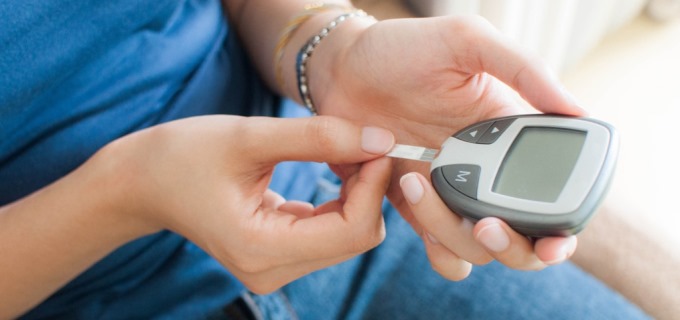
Diabetes test strip purchases and sales have become a surprising trend in the healthcare and resale industries in recent years. What was once an overlooked or discarded item has now become a valuable source of extra income for many people. Unused test strips can now be sold for money in a booming secondary market thanks to the rising demand for reasonably priced diabetic supplies. Understanding this market, how it works, and the benefits it offers can help people make informed decisions while contributing to a positive cause.
Understanding The Market For Test Strips
Diabetic test strips are essential tools for individuals who monitor their blood sugar levels daily. These small but critical items can be expensive when purchased through traditional retail or pharmacy channels. However, many people who receive test strips through insurance or in bulk may find themselves with more than they need. Rather than letting these supplies expire or go to waste, sellers can now exchange them for cash through reliable resellers or buyback programs. This practice has become an efficient way to recycle unused medical supplies while also supporting individuals who cannot afford retail prices.
The market operates through trusted middlemen or companies that buy unused, unexpired test strips from individuals. These companies then resell them at discounted prices to buyers who need them. It is a win-win scenario where sellers earn extra money, and buyers gain access to more affordable diabetic care products. Many people are discovering that selling their unused diabetic supplies can lead to more cash for test strips, turning extra boxes into a simple and rewarding source of income.
Why The Market Is Growing?
The expansion of this market is driven by two major factors: the rising cost of healthcare and the increasing prevalence of diabetes worldwide. Millions of people depend on glucose monitoring supplies every day, and the prices for these products continue to climb. Many consumers, especially those without sufficient insurance coverage, seek more affordable alternatives to maintain their health routines.
At the same time, the growing awareness about the value of reselling unused medical items has led more individuals to explore this opportunity. Selling unused diabetic test strips is both financially beneficial and environmentally responsible. It guarantees that priceless medical supplies reach individuals who actually need them and contributes to waste reduction.
Additionally, the selling process is now easy and accessible due to the convenience of internet platforms. Many companies now provide free shipping labels, quick payments, and user-friendly websites where sellers can complete transactions safely. The market’s quick expansion and legitimacy have been greatly aided by its accessibility.
How To Sell Test Strips Safely And Legally?
While the concept of selling test strips may sound unfamiliar to some, it is completely legal to sell them under certain conditions. The key rule is that the test strips must be unused, unexpired, and not marked for Medicare or Medicaid recipients. Those who receive supplies through government programs cannot legally sell them. However, privately purchased or insurance-provided strips that meet these conditions are eligible for resale.
Sellers should also ensure they work with reputable buyers or licensed companies that comply with health and safety regulations. A legitimate buyer will never ask for personal medical information or pressure the seller. Instead, they will offer clear guidelines on how to package and ship the test strips and will process payments promptly once the items are verified.
Benefits Of Selling Unused Test Strips
For many individuals, selling unused test strips has become a practical way to earn extra income without much effort. The process is straightforward, and payments are often quick. Depending on the brand and quantity, sellers can make anywhere from a few dollars to several hundred per transaction.
Beyond the financial aspect, the practice has a broader social and environmental benefit. By selling unused strips, individuals help reduce waste from medical supplies that would otherwise expire or end up in landfills. More importantly, the resale market makes it possible for people with limited resources to manage their diabetes affordably. This contributes to better health outcomes and accessibility in the community.
Tips For Maximizing Earnings
Those interested in earning the most from their unused test strips should focus on a few key points. Keeping test strips in their original, unopened packaging ensures that they remain in good condition. Checking expiration dates regularly is also important, as most buyers will not accept expired items. Selling in bulk or larger quantities often results in higher payouts, so gathering extra boxes before making a sale can be more profitable.
Additionally, comparing offers from different buyers helps sellers find the best deal. Some companies may pay more for specific brands or offer bonuses for repeat sellers. Reading reviews and checking customer feedback can help identify trustworthy buyers who provide fair and fast service.
Conclusion
The growing market for selling diabetic test strips has opened a new avenue for individuals to earn extra income while supporting a greater cause. It benefits sellers financially, helps buyers access affordable healthcare supplies, and reduces unnecessary waste. With increasing awareness and reliable online platforms, this trend continues to gain momentum. By taking simple steps to sell unused test strips safely and responsibly, anyone can participate in a movement that blends financial opportunity with social impact.