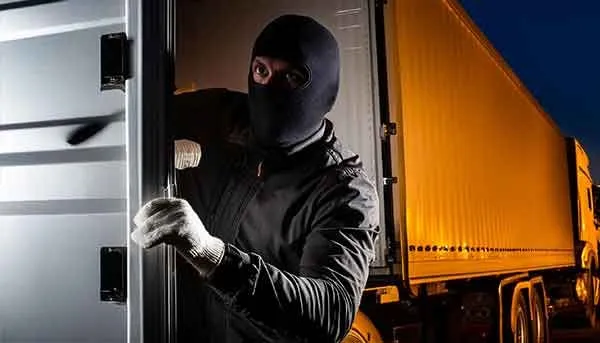
Cargo theft is no longer just an occasional risk in logistics. It has become a highly organized global issue that affects manufacturers, distributors, and retailers across industries. As supply chains grow more complex and shipments travel through multiple checkpoints, traditional security methods alone are no longer enough. The real shift in protection now comes from how companies use data. By collecting, analyzing, and acting on the right information, businesses can stop cargo theft before it even occurs.
From Reactive Security to Predictive Protection
In the past, cargo security focused on reacting after an incident. Investigations would begin only once goods were already missing. Today, data-driven systems allow companies to move from reactive to predictive security. Every shipment generates valuable information, including routes, transit times, driver behavior, and handling points. When this data is monitored in real time, unusual patterns can be identified early.
For instance, alerts can be sent right away if a vehicle deviates from its planned path or stops without planning to in a high-risk area. This enables security teams to intervene before a theft is completed. Predictive analytics also helps identify which routes, locations, or time windows are statistically more vulnerable, allowing businesses to adjust logistics plans in advance.
Visibility Across the Entire Supply Chain
One of the biggest advantages of data is improved visibility. Modern supply chains involve multiple partners, warehouses, ports, and transportation modes. Without centralized information, blind spots appear, and these gaps are where theft often occurs.
Digital tracking tools, sensors, and connected devices continuously send data to centralized platforms. Managers can see where a shipment is, who handled it last, and whether conditions have changed. This level of transparency reduces opportunities for criminals to operate unnoticed. When everyone in the chain is accountable through data records, the risk of tampering drops significantly.
Identifying High Risk Patterns
Data does more than track shipments. It reveals patterns over time. By analyzing historical theft incidents, companies can understand common tactics used by criminals. They may discover that certain distribution hubs have higher loss rates, or that thefts often happen during shift changes or weekend transit.
Armed with this knowledge, organizations can deploy extra security resources where they are needed most. Routes can be modified, delivery times adjusted, and surveillance increased in specific zones. This targeted approach is far more effective than applying the same level of security everywhere, which can be costly and inefficient.
The Role of Smart Security Devices
Physical security is still essential, but it is becoming smarter through data integration. Devices such as GPS trackers, door sensors, and the Electronic security seal provide real-time status updates. These tools do not just lock cargo; they generate data about access attempts, seal integrity, and container openings.
If a container is opened unexpectedly, the system records the exact time and location. Alerts can be sent instantly to logistics managers or security teams. This immediate information prevents small incidents from turning into major losses and discourages tampering in the first place.
Better Decision Making and Collaboration
Data also strengthens collaboration between logistics providers, insurers, and law enforcement. Shared insights about risk areas and theft trends help the entire industry improve standards. Insurance companies may even offer better terms to businesses that use advanced data monitoring, recognizing their reduced risk exposure.
Internally, decision makers can use performance dashboards to evaluate which security strategies are working. Investments can then be directed toward technologies and routes that offer the greatest protection.
Conclusion
Preventing cargo theft today is not just about locks and guards. It is about information. Data provides visibility, reveals risks, and enables rapid response before criminals succeed. By combining analytics, connected devices, and smart security tools, companies turn their supply chains into intelligent systems that actively defend themselves. In a world where cargo theft is becoming more sophisticated, data is the most powerful tool for staying one step ahead.